Weather Segmentation & Retail Forecasting

May 18th, 2012 by Flora Delaney

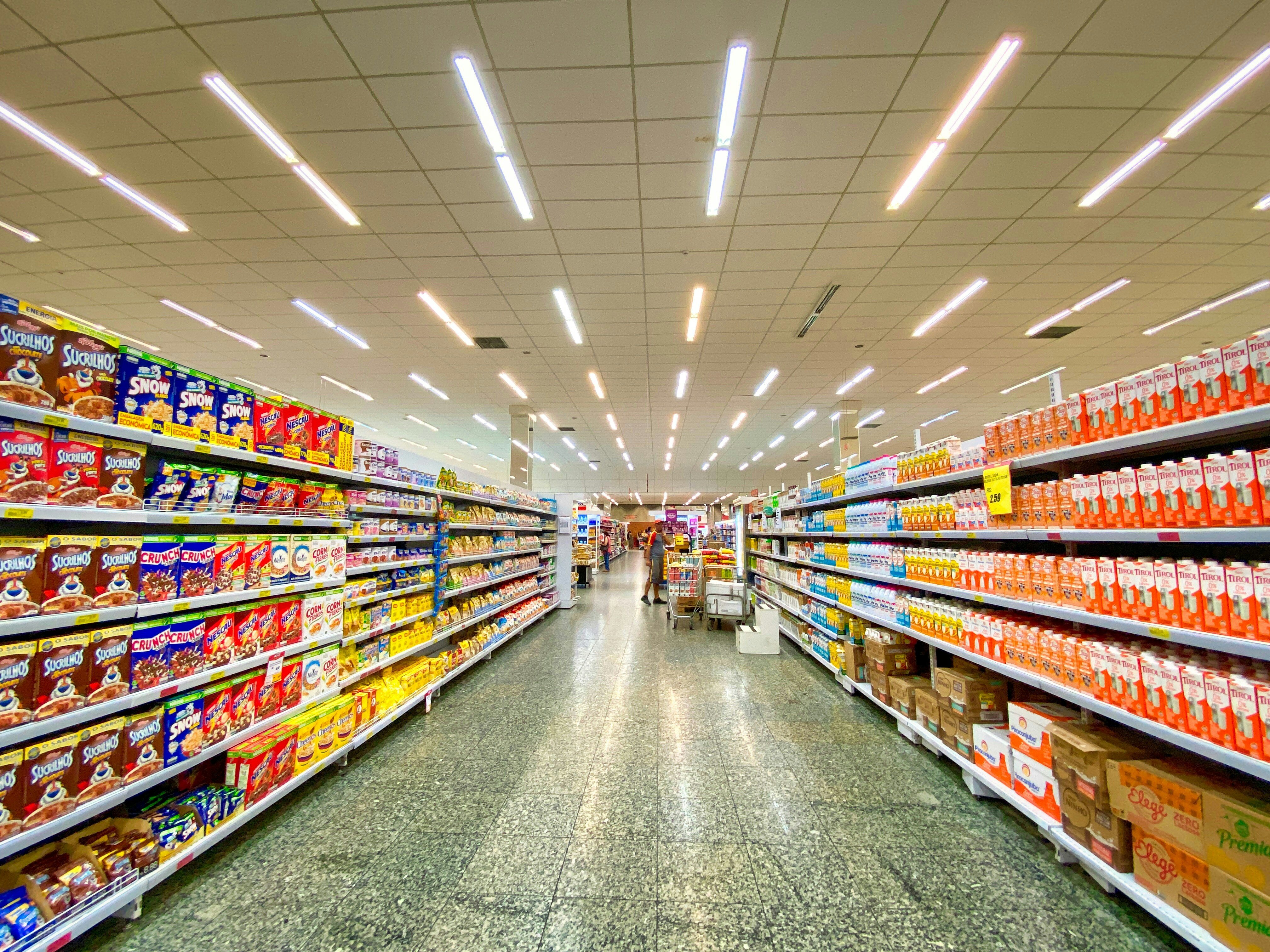
It doesn’t take a genius to know that some items sell better in warm weather and others sell better in the cold.  Buyers “know it.” Customers ”know it.” Store Managers ”know it.”  But in retail, it is rare for a system to “know it.”

I was recently at a national retailer who was planning a springtime cough and cold event complete with umbrellas, galoshes and allergy medicine.  Beginning March 1.  Across the US.  Even in the Upper Penninsula of Michigan, Vermont, Montana and International Falls, Minnesota.  Where shoppers are still refilling their antifreeze and looking for replacement gloves for the ones their kids lose on the playground every week.  (I imagine the first thaw on most northern elementary school playgrounds looks a lot like an outerwear flea market.)

When I asked if they were considering that March 1 is still winter in the northern half of the country, I was told that they knew that – but their systems limited them to national promotions and they would manage the inventory balancing with excel spreadsheets – by SKU, by Buyer, by Distribution Center….as always.  How inefficient is that?

Retail technology companies will tell you they can solve this with their ERP’s and smart systems and they are technically correct – the thing is that the weather savvy component is almost never part of the core installation and IT cuts get made and the company settles on an excel or (if they are REALLY savvy) access database to manage the nonstandard weather sensitive items.  Truth is, the #1 retail tool in America is Excel.  Take that, Oracle.

How to handle this is to use a single ONE DIGIT numeric field in the product set up to indicate its weather sensitivity.  Define 10 weather seasons (0-9.)  DONT expect buyers to use them to set up their SKU’s because they won’t.  But once the weather pattern has been created, every 6-12 months run a report to compare the SKU’s sales the the 10 weather patterns.  Select the pattern it most resembles and automatically assign one of the 10 seasonal indicators to the item.  Use this to improve forecasting by improving the BI (Business Index – see past forecasting post and definition.)

Or, maintain hundreds of spreadsheets.  That works too.

    How Backpacking is like Managing a Team

    May 15th, 2012 by Flora Delaney

    –A reprint from a popular 2010 post –

    I just returned from a week long backpacking trip and I learned many things. First, I truly appreciate humans domesticating burros and horses! Second, this is probably a sport best begun in your teens or twenties, instead of my age. But it gave me a lot of time to think and realize how much backpacking is like managing business team leaders.

    You see, while you are trekking, you tend to look down at the path in front of you a lot. Especially if there are roots and rocks and sudden changes in elevation along the trail. What that means is you are so concerned with the obstacles that you rarely pick your head up to take in the views, look ahead to what vistas are coming or look back to see how far you’ve come. By concentrating on each step, you tend to miss the journey.

    Conversely, there are those trekkers who are so caught up in the views and the surroundings that they don’t watch their own feet and fall or twist their ankles nearly every day.

    And I realized how many times I have worked with managers who are the same: Some folks are so enamored with the strategy and the long-term outcome that they don’t even realize their teams are struggling with maternity leaves, vacations and off-site training that have them straining to meet deadlines. Under those conditions, the oblivious manager over-commits the team to more work and is usually surprised to find defectors leaving the team or the company. These are usually the people who do such a great job of “managing up” that leaders may not realize how poorly they “manage down” until it is too late. Frequently, they were hired from outside the company into positions of leadership.

    Internal managers tend to focus on the here and now, always ready with reasons why each week is a harrowing journey and prevents them from tackling important strategic work.

    As a seasoned leader, I appreciate having both types in my management team. But I manage and listen to them differently. I challenge the strategists with “run the business” questions and make sure I have regular opportunities to interface with their teams directly to assess their capacity. And I regularly challenge the “eyes on the trail folks” to see the bigger picture. They are a tough bunch and need to be reminded of how far they have come and be validated that they have the capability to change and be change agents repeatedly. Again, I try to have regular contact with key players within their teams to make sure that they hear key strategic messaging and understand how their day to day efforts fit into a broader picture that their direct managers may forget to reinforce.

    On the trail, I was happy to have folks who pointed out the fox and moose I may have otherwise missed as much as the person who took time to point out a loose rock or overhanging branch. I needed them both on the trail to have a successful trek. I need them both on my business team to succeed at work as well.

      Brick & Mortar Retailers Need to Take Advantage of: Brick & Mortar!!

      May 11th, 2012 by Flora Delaney

      An exiting employee from a crafts and fabric big box store sent me her suggestions for improving the store experience for customers and employees.  To protect the innocent, let’s just call her “JoAnn.”  Her suggestions are elementary for any brick and mortar store encumbered with an excess of real estate and a customer increasingly turning to the internet for “commodity” items. Let’s face it, there is no reason to go to a store if all you need is white thread, embroidery hoops, yarn of the same dye lot or a black 9″ zipper.

      Her common-sense approach: use the store to inspire creativity and make purchasing everything needed for a project easy.  This store has everything a crafter could want: scrapbooking, silk flowers, paint, fabric, foam models, beads and acres of fabric. But for a beginner or a bored crafter, what it lacks are inspiring end caps with complete project materials in one location.  Let’s say you want to make a beginner quilt.  Select a pattern from the books section, fabric from the calico wall, thread from the thread section, batting from the bolt aisles and take it to the cutting counter.  The entire trip will not be possible in under one hour – probably a minimum of 2 hours. You will leave wondering if you have everything you need.  You won’t.  You will be back.  Maybe.  Or the half-completed quilt will sit in your basement for years.  (Based on personal experience.)  Imagine, she suggests,  if the end caps featured a sample of the completed project and everything you need in one location.  Currently, this big box store sprinkles project sheets randomly throughout the store with materials lists that shoppers are expected to locate and select.  The end caps are boring displays stacks of glue sticks, ink stamps and scissors. Not exactly inspiring.

      And with this wealth of space, there is NO PLACE IN THE ENTIRE STORE to sit and work.  There are 6 stools at the pattern desk where seamstresses flip through large pattern books by Vogue, Butterick and Simplicity.  No change since the 1950′s.  With the simplest of interfaces, the patterns could be online.  Sure, they would have to partner with their vendors to make it happen.  But they are the last man standing int his space!! If they don’t have the market clout to pull together a solution, shame on them!

      I imagine an online pattern interface could be searchable (Skirt/Dress/Tops then everyday/formal/fashion forward, etc) AND a shopper could select the pattern and see it in a variety of fabrics and colors to “preview her work.”  Instead, shoppers do the same calculations on paper that they have done for decades; converting 45″ and 60″ fabric widths into required yardage and keeping track of everything in their heads or on paper.  They try to picture the bodice in an eyelet or a chambray.  They try to imagine what it might look like if the belt were pink or yellow. Welcome to shopping like my grandma!

      Oh, wait.  Did I say there was no place to sit and work?  There are a few seats at sewing machines in the store.  But only if you want to try one out before you buy it and only if you do it while being harassed by the commission sales person who will accost you and take your personal information like you returned from an extended vacation to the middle east. Like the cell phone sales people in Best Buy stores, they are employed by the manufacturers and not the store.  Which means they only care about selling you a sewing machine and they make a point of telling customers that they don’t know where anything else is in the store because “they don’t actually work for the store.”  REALLY?  Well, no wonder women are turning to the internet sites for their supplies.

      Finally, with all the space in the store, what is missing?  A regular workspace where there are scheduled events and meetings that creates a community of users and experts engaging in the store environment.  Sure there are occasional “Make and Take” events for Mother’s Day, for example, where kids can make a card at a table set up in the racetrack of the store.  But that’s not what we are talking about.  Meanwhile, stores like Archivers are creating a real community by opening up their workrooms and letting users have access to the equipment they cannot afford and are “renting” access to products which spurs an increasing amount of purchases and moves shoppers from light/occasional to heavy/loyal.  Who does this well?  Golfsmith with their virtual driving range, Gander Mountain with their shooting ranges and community meeting rooms, Whole Foods with their public community rooms.

      In a crafting world

      • being revolutionized by pinterest.com and etsy.com
      • where edgy 20 somethings are making it hipster-cool to knit, crochet and sew everything
      • where the customers of the past are literally dying off
      This super store is not making changes fast enough to attract new shoppers into its stores with the kind of wit and creativity the shoppers themselves create.  It’s no wonder their store of choice is an iPad.

      What a natural and expected advantage this brick and mortar retailer has over all those internet sites.  If only they realize it before their leases come due and they downsize their stores to a level where they no longer have the option to be anything more than a crafts and fabric convenience store.


        April 2012 Retail Comp Store Sales

        May 4th, 2012 by Flora Delaney

        Download the Latest April 2012 Comp Store Sales Report Here. 

          Promotional Forecasting is Demand Forecasting

          May 1st, 2012 by Flora Delaney

          Ask a retailer where they are leaking (sales, profit, resources) and PROMOTIONS will nearly always be at the top of the list.  Retailers admit a blind spot to selecting the right products for promotion, pricing the promotion to meet the goals, forecasting the correct amount of inventory to meet the promotions needs, executing the promotion in the stores and evaluating the promotion afterwards to learn how to improve in the future. –An alarmingly low number of retailers self-report that they do this well or consistently.

          Executives usually overlook the critical FORECASTING component of promotional planning.  Every other component is based on accurate forecasting.  At its simplest level, here are the basic components for promotional forecasting:

          DD = Deseasonalized Demand or moving average weekly sales without seasonality or promotional effects.  The “clean” forecast.  It should be updated weekly.  For NEW ITEMS, it should be the average DD for other products int he category that share the same attributes.  (For example, if a new scented candle comes on the market, the DD should be the average DD for all scented candles from that manufacturer that share the same price band until the new item has enough history to generate its own DD.)

          BI = Base Index.  The affect of seasonality, store openings and closings, category trends, consumer confidence and other larger market impacts that affect the sales of a product across the market.  Some  things affect all products across the entire chain – like store openings and closings.  Others like weather conditions, new housing starts and fashion trends and fads may just impact certain categories.

          PBI = Promotional Base Index.  The expected impact of a particular promotion on a product or group of products based on the advertising, price reduction, in-store support, competitive marketplace, etc.  This is where most buyers and retailers focus.  But for many the science behind this forecast is not much different from a witch doctor reading chicken bones.  Buyers and vendors are universally biased to be optimistic in the forecast.  It is a rare retailer who uses a attributed promotional measurement system to create a PBI.

          DD + BI + PBI = Sales Forecast

            Page 1 of 3312345678910